Off-Season Travel in Algarve and Andalusia - Why its the Perfect Time to Visit
- Katie Durie

- Mar 27, 2025
- 4 min read
Updated: Jan 22
Traveling during the off-season can be one of the most rewarding experiences for those looking to explore the stunning regions of Algarve and Andalusia. With fewer crowds, lower prices, and a more authentic experience, off-season travel allows you to immerse yourself in the local culture and enjoy the breathtaking landscapes without the hustle and bustle of peak tourist times. In this blog post, we will explore essential tips to make the most of your off-season adventure in these beautiful regions of Southern Europe.

Understanding the Off-Season
What is the off-season?
The off-season typically refers to the period when tourist numbers are lower, often outside of the summer months. For Algarve, this is generally from November to March, while for Andalusia, the off-season can extend from late autumn through early spring. During these months, you can expect milder weather, fewer tourists, and more affordable accommodations.

Benefits of Traveling Off-Season
Traveling during the off-season offers several advantages:
Lower Costs: Flights and accommodations are often significantly cheaper.
Fewer Crowds: Popular attractions are less crowded, allowing for a more enjoyable experience.
Authentic Experiences: Engage more with locals and experience the culture without the touristy distractions.
Milder Weather: Enjoy pleasant temperatures, especially in the southern regions of Spain and Portugal. Algarve and Andalusia have average temperatures of 16°C to 18°C (60.8°F to 64.4°F).
Planning Your Trip
Choosing the Right Time
When planning your trip, consider the weather and local events. While winter can be cooler, it is also a time for various festivals and celebrations. For example, the Carnival in Cadiz, Andalucia, is a vibrant event that attracts many visitors, even in the off-season.

Finding Affordable Accommodations
Look for accommodations that offer off-season discounts. Many hotels and vacation rentals reduce their prices during this time. Websites like Airbnb and Booking.com often have great deals. Consider staying in smaller towns or rural areas for a more authentic experience and lower prices. Long-term stays (a month or more) often offer deep discounts.
Transportation Options
Public transportation is a great way to explore both Algarve and Andalucia. Buses and trains connect major cities and towns, making it easy to travel without a car. Renting a car can also be a good option if you want to explore more remote areas at your own pace. Car rentals are often less expensive during the off-season.
Exploring Algarve

Discovering Hidden Gems
While Algarve is famous for its stunning beaches, there are many hidden gems worth exploring during the off-season:
Cacela Velha: This charming village offers breathtaking views of the coastline and is less crowded in the winter months.
Ria Formosa Natural Park: A beautiful area for birdwatching and hiking, perfect for nature lovers.
Tavira: Known for its historic architecture and picturesque streets, Tavira is a great place to wander and enjoy local cuisine.
Enjoying Local Cuisine

Off-season travel allows you to enjoy local cuisine without the long waits. Visit local markets and try traditional dishes such as:
Cataplana: A seafood dish cooked in a traditional copper pot.
Piri-Piri Chicken: A spicy grilled chicken dish that is a must-try in Algarve.
Algarvian wines: Sample local wines at smaller vineyards that often offer tastings.
Discovering Andalusia

Cultural Experiences
Andalucia is rich in culture and history. Take advantage of the off-season to explore:
Seville: Visit the stunning Alcázar and the Cathedral without the summer crowds.
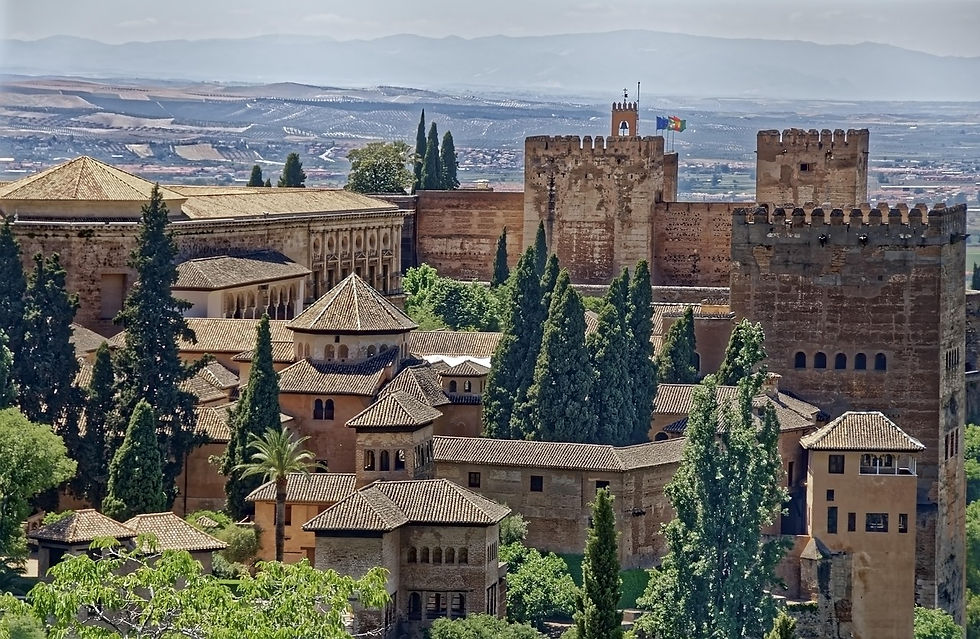
Granada: Explore the Alhambra and its beautiful gardens at a leisurely pace.
Cordoba: Discover the Mezquita, a unique mosque-cathedral, and stroll through the charming streets of the Jewish Quarter.
Festivals and Events

The off-season is also a time for various local festivals. Some notable events include:
Feria de Abril (April Fair): A week-long celebration in Seville featuring flamenco, food, and traditional costumes.
Semana Santa (Holy Week): A deeply religious and cultural event celebrated across Andalucia, particularly in Seville and Malaga.
Practical Tips for Off-Season Travel
Dress Appropriately
While the weather is generally mild, it can vary significantly. Layering is key. Bring a light jacket for cooler evenings and comfortable shoes for walking. It's important to pack smart!

Stay Hydrated
Even in cooler months, staying hydrated is essential, especially if you plan on hiking or exploring outdoors.
Be Flexible
While there are lots of things to do in the winter, off-season travel often means fewer tourists. Some attractions may have reduced hours or be closed for maintenance. Always check ahead and be flexible with your plans.
Engage with Locals
Take the opportunity to engage with locals. They can provide insights into the best places to eat, hidden gems to explore, and cultural experiences that you might not find in guidebooks.
Conclusion

Traveling to Algarve and Andalusia during the off-season can provide a unique and enriching experience. With lower costs, fewer crowds, and the chance to engage more deeply with the local culture, you can create lasting memories. Whether you are exploring the stunning beaches of Algarve or the rich history of Andalusia, the off-season offers a chance to enjoy these regions in a way that is often overlooked. So pack your bags, plan your itinerary, and get ready for an unforgettable adventure!

Comments