Ronda in Winter: A Slow Travel Destination in Andalusia
- Katie Durie

- Jan 25
- 4 min read
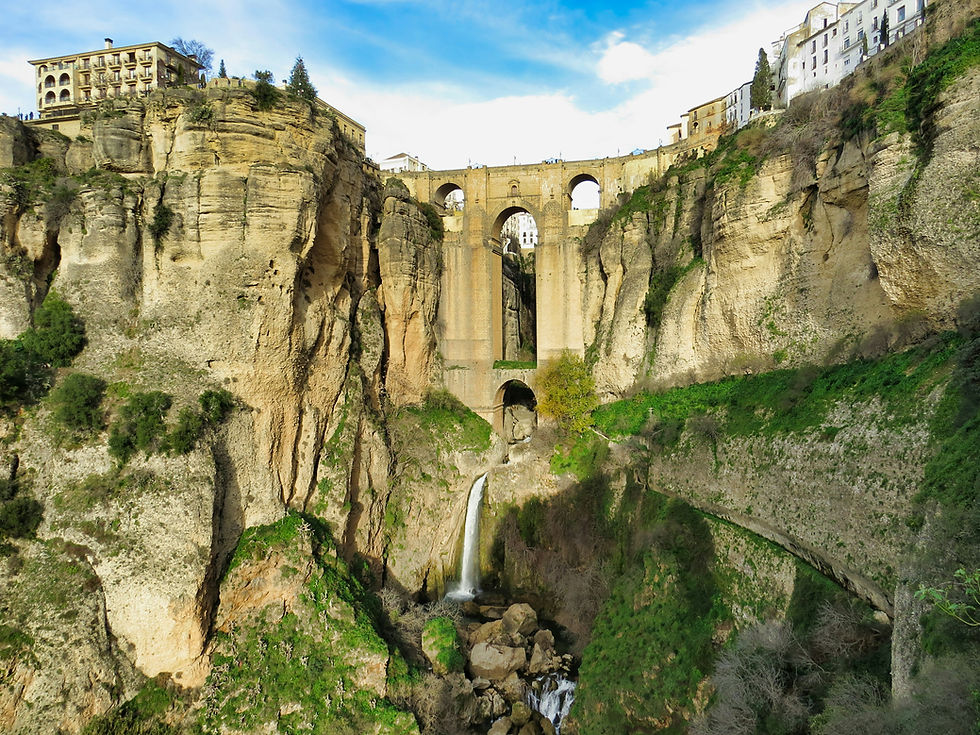
Perched dramatically above the El Tajo gorge, Ronda in winter invites a different kind of travel—quieter, slower, and deeply atmospheric. Without the pressure of summer crowds or packed day tours, the town reveals its rhythms: long walks, unhurried meals, and views that change with the light rather than the hour.

Why Winter Is Ideal for Slow Travel in Ronda
Winter in Ronda is about space—physical and mental. Streets feel walkable again. Lookouts that are shoulder‑to‑shoulder in high season become places to linger. Cafés are warm, locals have time to talk, and the pace naturally relaxes.
Days are cool but comfortable, perfect for walking the old town, crossing the Puente Nuevo more than once just because the view keeps changing, and stopping often—because there’s no reason to rush.
A Brief History of Ronda
Ronda’s dramatic location has shaped its story for centuries. Settled by the Celts, later fortified by the Romans, and influenced by Moorish rule, the town became a strategic stronghold perched above the gorge. The Puente Nuevo—Ronda’s most iconic landmark—was completed in the late 18th century after decades of construction, finally linking the old Moorish town with the newer Mercadillo district. Ronda's history is still visible today, especially in winter, when fewer visitors make it easier to feel the echo of the past in its streets.

Living at a Local Pace
Slow travel in Ronda means letting the town set the schedule. Mornings might start with coffee near the Alameda del Tajo, watching mist lift from the gorge. Midday is for wandering—not checking off sights, but following streets until something catches your eye: a tiled doorway, a quiet square, or a bakery window.
Lunch is long. Shops close. The town exhales.
Afternoons are ideal for exploration—the Arab Baths, a walk down into the gorge, or simply sitting on a bench with a view. Evenings are cozy and local, centered around simple meals, wine, and conversation rather than nightlife.
Walking Without a Plan
Ronda is made for wandering, especially in winter. The old town feels almost introspective in cooler months. Footsteps echo softly. Churches are peaceful. Viewpoints belong to whoever arrives first—often just you.
Walking the edges of the gorge becomes a daily ritual rather than a one‑time photo stop. Each time, the landscape looks different: clouded, sunlit, shadowed, or glowing at dusk.
Food, Warmth, and Winter Comfort
Winter menus lean toward comfort—stews, soups, grilled meats, and local cheeses. Restaurants feel less transactional and more welcoming. There’s time to ask questions, linger over dessert, and return to the same place more than once.
Many accommodations are a better value in winter, making longer stays more accessible. A small apartment or guesthouse becomes a temporary home rather than just a place to sleep.

Day Trips From Ronda (Ideal for a Slow Winter Stay)
Ronda’s location makes it an excellent base for short, unrushed day trips—especially in winter, when roads are quiet and villages are free from tourists. These trips work best when spaced out over several days rather than rushed—reinforcing the value of staying put and letting Ronda become a true base rather than just a stop. Listed below from closest to farthest, they’re easy to fold into a longer, slower stay.
Setenil de las Bodegas
Just 25 minutes away, Setenil is famous for its white houses built directly into overhanging rock formations. In winter, the village feels calm and intimate, making it easy to wander the river path and stop for a quiet coffee beneath the cliffs.
Olvera
Often overlooked, Olvera is about 50 minutes from Ronda and crowned by a church and castle high above the town. It’s a rewarding stop for travelers who enjoy quiet streets, elevated viewpoints, and places that still feel undiscovered.

Grazalema
Roughly 45 minutes away, Grazalema sits within a natural park known for hiking and dramatic mountain scenery. Winter brings crisp air, misty views, and a slower village rhythm—ideal for walks, local food, and a change of landscape.
Zahara de la Sierra
About an hour from Ronda, Zahara de la Sierra offers sweeping views over a turquoise reservoir and surrounding countryside. Winter visits are peaceful, perfect for a short walk through the village, a simple lunch, and time spent taking in the scenery.
Cádiz (Best as a Full-Day Trip)
Around 90 minutes away by car, Cádiz works best as a full-day outing rather than a quick excursion. Winter brings empty beaches, walkable historic streets, and long lunches by the sea—a refreshing coastal contrast to Ronda’s inland setting.
Who Ronda in Winter Is For
Ronda in winter suits travelers who value atmosphere over activity and depth over speed. It’s ideal for solo travelers, writers, walkers, photographers, and anyone drawn to places that feel lived‑in. It is a perfect place to spend a winter.
This isn’t a destination for ticking boxes. It’s a place to stay still—and let the landscape, the history, and the quiet do the work.

Final Thoughts
Slow travel in winter allows Ronda to be what it already is: timeless, grounded, and quietly powerful.


Comments