What Is Slow Travel? A Thoughtful Way to Travel
- Katie Durie

- Jan 15
- 6 min read
Updated: Apr 4
The Shift from "Go-Go-Go" to Just Being
For years, my travels followed a rigid, frantic rhythm. It was a hectic "checklist" form of travel—pre-planning every minute, booking every ticket months in advance, and being tethered to a pre-set schedule. I wanted to see everything, but I often ended up seeing very little.
That changed when I took a trip where we decided to do… nothing.
We rented a place on Culebra, Puerto Rico, and traded rental cars for a simple golf cart. We walked everywhere the cart couldn't go. We shopped at local grocery stores, ate on our balcony, and lived without a schedule. We woke, we ate, and we simply lived. It was the most authentic and connected I had ever felt to a destination.
Since then, slow travel hasn't just been a preference; it’s been my requirement. We still see the highlights, but we no longer cram them in. If we miss a site that is "less important" to us, we’re okay with that.

Why the Mindset Matters
My experience in Culebra taught me that slow travel is often misunderstood. It’s not just a budget tactic or a way to stay longer in one place. It's a fundamental shift in how you process a journey. For me, it means prioritizing:
Presence over pace: Being where I am, not where I'm going next.
Depth over breadth: Knowing one neighborhood well rather than ten superficially.
Lived experience: Choosing the "ordinary" parts of local life over the curated highlights.
It isn’t about doing less for the sake of it; it’s about doing what actually matters to us and letting go of the rest.
Moving Beyond the Checklist
Traditional travel often feels like another form of productivity—a list of tasks to be checked off. In my "go-go-go" days, I was asking, "What can I see?" Now, I find myself asking different questions:
How does this place feel on a Tuesday morning?
What is the rhythm of the local market?
What is it like to actually live here, even for a short time?
What Slow Travel Looks Like in Practice

There is no rigid formula, but we’ve found that a few specific habits make this connection easier.
Staying Put
Staying in one place for a month allowed us to see why the digital nomad lifestyle in Portugal has become so popular. Even if you aren't working remotely, having a stable home base provides a level of comfort and local connection that a hotel simply can’t match. We now try to choose one base for several weeks—or even a month. This allows a routine to form. You start returning to the same café, you find your favorite walking route, and the town gradually stops feeling foreign and starts feeling navigable.
The Beauty of the Ordinary

I’ve learned that grocery shopping, cooking, and laundry aren't chores that take away from a trip—they are the trip. These moments show you the local reality of a place, rather than just the version presented to tourists.
Choosing Depth Over Variety
We accept that we won’t see everything. We trade the stress of missing a famous museum for the peace of knowing a specific neighborhood's quiet corners. You trade novelty for understanding.
Eat Like the Locals
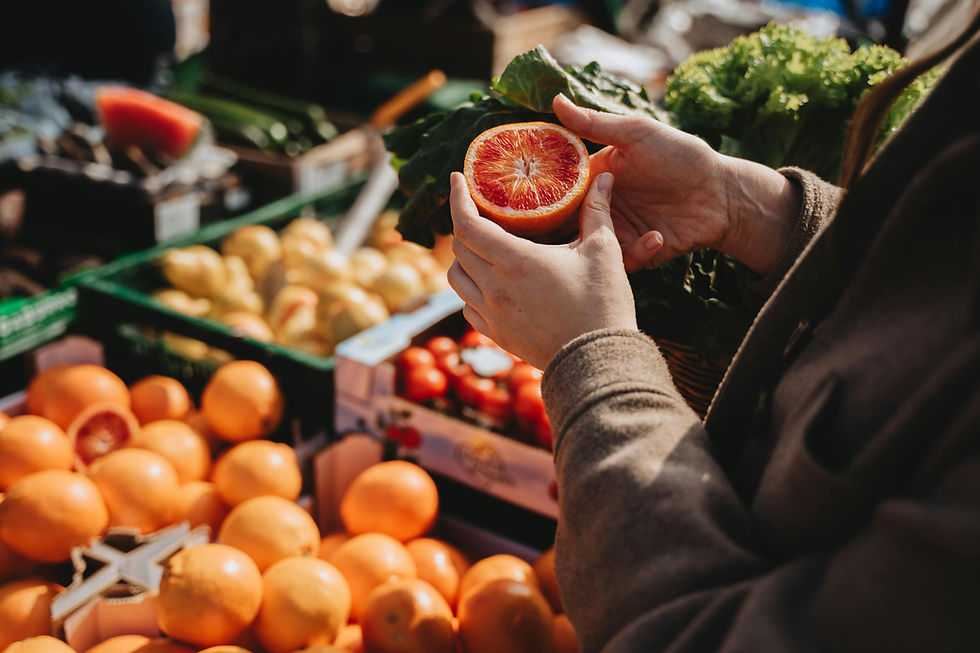
Slow travel is also about taste. Instead of tourist-trap menus, we focused on authentic Mediterranean gastronomy. We shopped at the municipal markets for fresh fish and local Piri-Piri, learning that the best meals are sometimes the simplest ones enjoyed on your own balcony.
Why We Choose the Off-Season
This approach pairs perfectly with winter travel. When we visit places like the Algarve or Andalusia in the "quiet" months, the experience changes:
Authenticity: The town stops performing for visitors and returns to itself.
Support: Staying longer during these months supports local businesses when income is typically tight for residents trying to earn a year-long income.
Quiet: The streets are peaceful, the light is softer, and the pace of life finally settles.

Alvor's waterfront promenade is lined with restaurants with views of local fishing boats. Slow Travel in Action: A Month in Alvor
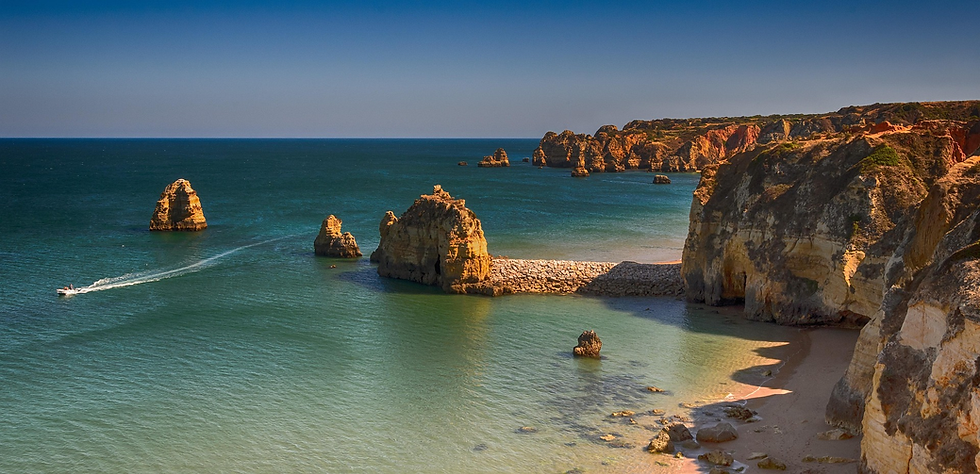
We recently put these principles into practice with a month-long stay in Alvor, Portugal. During our February stay, we spent many mornings on the coastal hiking trails in the Algarve. Without the summer heat or the crowds, paths like the Seven Hanging Valleys and the Alvor boardwalk were easy to navigate and offered clear, unobstructed views of the coast.
While many view the Algarve as a summer-only destination, experiencing it in the winter was a revelation. By staying for four weeks, we settled into a rhythm that a one-week vacation simply doesn't allow. Not only did we hike the trails and walk the boardwalks, but we watched the fishing boats come in and frequented the same local spots without the summer rush.
I documented our transition into this slower pace in a weekly series:
Week 1: Week One in Alvor, Portugal: Touchdown & Our First Days
Week 2: Week Two in Alvor, Algarve: Tavira, Ferragudo, Praia da Luz & the Carvoeiro Cliffs
Week 3: Alvor Portugal in February: Week 3 – Hikes, Beaches & Day Trips
Week 4: Week Four in Alvor, Portugal in February: The Kind of Trip That Stays With You
For us, the Algarve and Andalusia have become our ultimate winter slow travel destinations because they offer livability rather than just spectacle.

Is Slow Travel for Everyone?
No—and that’s okay. Slow travel may not suit you if you have very limited time, thrive on constant stimulation, or feel uncomfortable without a strict structure.
But if you value calm, curiosity, and continuity, slow travel can be deeply rewarding. When you stop rushing, your attention sharpens. Travel becomes less about escape and more about engagement.
Frequently Asked Questions About Slow Travel
What is the best destination for slow travel in the winter?
For travelers coming from North America or Northern Europe, the Algarve in Portugal and Andalusia in Spain are premier choices. These regions offer a "spring-like" winter, lower accommodation costs, and a high density of coastal hiking trails and cultural sites that are easily accessible without summer crowds.
How long should a slow travel stay be?
While there is no strict rule, a stay of three to four weeks is the "sweet spot." This duration allows you to move past the initial "tourist phase" and settle into a local rhythm, including regular grocery shopping, discovering favorite local cafes, and experiencing the destination's daily life.
Is slow travel more expensive than traditional travel?
Actually, slow travel is often more cost-effective. By staying longer in one location (like a villa in Alvor or an apartment in Luz), you can often negotiate monthly rental discounts. Additionally, having a kitchen allows you to eat like a local, significantly reducing the high costs associated with dining out for every meal.
What are the best activities for a slow traveler?

Slow travel prioritizes engagement over
entertainment. Highly recommended activities include:
Coastal hiking and mountain trekking: Such as the Seven Hanging Valleys Trail in the Algarve.
Local markets: Shopping for seasonal produce at municipal markets.
Daily routines: Walking the same route each morning to observe the subtle changes in the landscape and community.
Nearby Day Trips: For those who want to venture beyond the coast, the Alentejo wine region is another superb slow travel destination. It offers vast, rolling landscapes and a pace of life that perfectly suits a deeper, multi-week exploration.
Does slow travel mean I have to miss the major sights? No. Slow travel simply means you don't rush the sights. You might visit one major landmark per week instead of three per day. This allows you to appreciate the history and architecture without the "museum fatigue" that comes from a packed itinerary.
Related Articles:


Comments