Why Andalusia Feels Different From the Rest of Spain
- Katie Durie

- Mar 19
- 2 min read

There’s something about Andalusia that feels noticeably different the moment you arrive. It’s not just the scenery or the weather—it’s a shift in rhythm, atmosphere, and history that sets it apart from the rest of Spain.

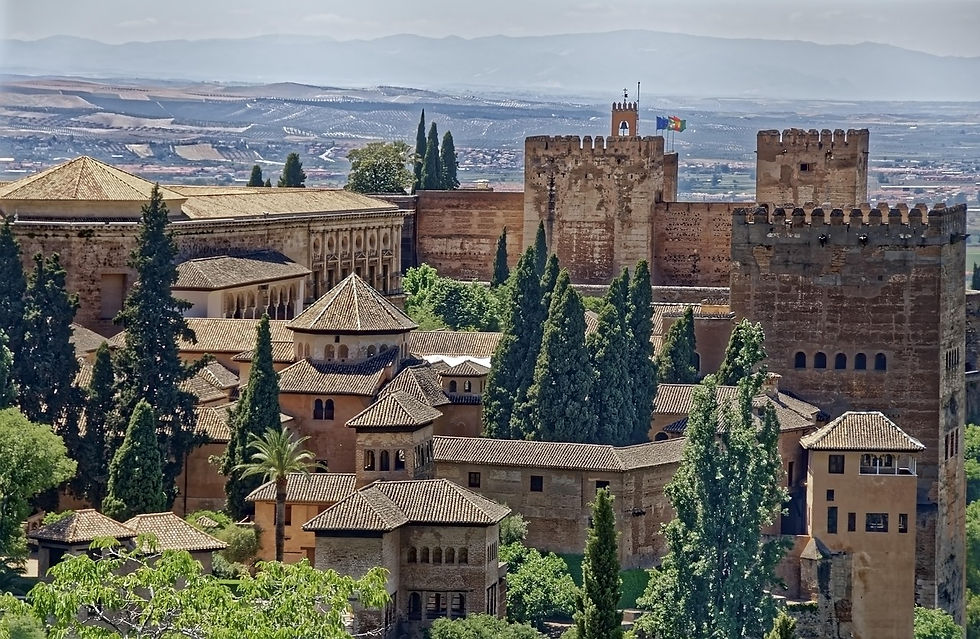
In cities like Seville, Córdoba, and Granada, that difference is immediately visible. The architecture tells a layered story, shaped not only by Spanish traditions but by centuries of Moorish influence. Arched doorways, tiled courtyards, and intricate details create a style that feels softer and more intricate than what you might find further north.
But it’s not just how Andalusia looks—it’s how it feels to spend time here.
Life moves a little slower. Mornings begin quietly, often with a coffee in a sunlit square. Midday stretches into long lunches, and afternoons are meant for resting rather than rushing. The sun-drenched Andalusian coast features rugged cliffs, golden beaches, and sparkling Mediterranean waters, perfect for slow, scenic walks along the shore. In smaller places like Ronda or Nerja, this slower pace becomes even more noticeable, especially outside of peak travel seasons.

There’s also a warmth here that goes beyond the climate. Even in winter, Andalucía offers mild temperatures and plenty of sunshine, making it one of the most comfortable regions in Europe for off-season travel. Streets are still lively, but without the intensity of summer crowds, giving you space to actually experience where you are.
What really sets Andalusia apart, though, is how naturally it lends itself to slowing down. It’s not a place that demands a packed itinerary. Instead, it rewards wandering, sitting, and noticing the small details, the quiet corners, and the everyday rhythm of life.
And that’s why Andalusia feels different from the rest of Spain.
Not necessarily better or worse—just easier to settle into, even for a short time.


Comments